GOATS
HEAD SOUP
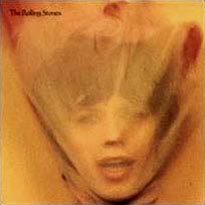
Recorded:
October
17-31, 1970: Rolling Stones Mobile Unit, Mick Jagger's
home Stargroves,
Newbury & Olympic Sound Studios, London, England
November
25-30, 1972: Dynamic Sound Studios, Kingston, Jamaica
December
6-13, 1972: Dynamic Sound Studios, Kingston, Jamaica
May
23-June 20, 1973: Island Recording Studios, London,
England
Overdubbed & mixed:
May
23-June 20, 1973: Island Recording Studios, London,
England
Producer:
Jimmy
Miller
Chief
engineer:
Andy Johns
Mixer:
Andy
Johns
Released:
August
1973
Original
label: Rolling Stones
Records (on WEA)
Contributing musicians: Mick
Jagger, Keith Richards, Charlie Watts, Bill Wyman, Mick Taylor,
Nicky Hopkins,
Ian Stewart, Billy Preston, Bobby Keys, Jim Price, Jim Horn,
Chuck Findley,
Jimmy Miller, Rebop, Pascal, Nick Harrison (arranger).
Dancing with Mr. D
100 Years Ago
Coming Down Again
Doo Doo Doo Doo Doo (Heartbreaker)
Angie
Silver Train
Hide Your Love
Winter
Can You Hear the Music
Star Star
COVER
The shoot was organised for 1 PM and Mick
and
Keith turned up about 5 PM and Keith was in a very bolshy mood.
Storm Thorgerson
and I had outlined the concept to the Stones and they were all
enthusiastic
- especially Mick. They were all to be centaurs and minotaurs
prancing
about in the photo in an Arcadian landscape, like the young
bucks they
were. Right up Mick's street.
-
Aubrey Powell in Bill Wyman's Rolling With The Stones,
2002
CREATION
Goats Head Soup was made on the
run. There's this body of work that goes from Let It Bleed to Exile... where it felt like we
weren't being hassled. After Exile...
we really were exiled. The next couple of albums were made the
same way, and that makes it difficult to do your best work.
-
Keith Richards, 2011
When we cut Exile,
we were still in each other’s pockets. By the time of Goats Head,
Mick had married Bianca. Charlie was living in France. In other
words,
we had become exiles. We were all over the place. Mick and I had
to
learn how to write and do this stuff apart, while we’re not
actually
next door in the hotel room or around the corner. So this was my
first
attempt at writing long-distance, so to speak.
-
Keith Richards, August 2020
I remember Angie
I
wrote in Switzerland, in a Swiss restroom. At that time, Mick was
really on the other side of the world. So we got together a few
weeks
before we actually went to Jamaica to put all of the bits and
pieces we
got together into some coherent songs. Mick had Silver Train and
Starfucker, and I was working on most of the others. It was a
different
way for us to work, you know: Hey,
I’ve got this, but I need a bridge. Oh, I got a bridge that suits that!
We were tailoring it up as we went along.
-
Keith Richards, August 2020
The backing tracks were all done in Jamaica.
-
Mick Taylor, 1973
For Goats Head Soup, Jamaica was one
of the few places that would let us all in! By that time about the
only
country that I was allowed to exist in was Switzerland... Jamaica
- oh,
the music island! We were hearing interesting sounds coming out of
Jamaica,
plus they had cheap studios. Dynamic Sound in Kingston was an
amazing place:
the drum kits and the amps were nailed to the floor. Jamaica's a
wonderful
place, kind of free and easy. I'd been there on and off in the
1960s, but
only for a visit. After Goats Head Soup I've lived there
whenever
I can. I have family there - villages welcome me with open arms.
-
Keith Richards, 2003
Yeah, I remember we wanted to go to L.A. to
record, but we had some visa problems at the time, so we decided
to
record most of it in Jamaica. A couple of things, I think, were
done in
London.
- Mick Jagger, August 2020
That was ’73, the year Marley and the Wailers
put out Catch a Fire.
That’s also the year the soundtrack of The Harder They Come
came out. I remember being in Jamaica, there was a feeling in the
air.
Jamaica was starting to make a mark on the map. After the
sessions, I
just moved back and I stayed there for months. And that’s where I
met
all the guys and eventually turned up on the Wingless Angels. It
became
my second home, you know.
-
Keith Richards, August 2020
I mean, it was a different situation, because
we
weren’t in a basement of a house. We were in a real studio, which
was
run by this guy called Byron Lee from a band called Byron Lee and
the
Dragonaires. They used to play reggae, they used to play
everything.
They played calypso. They toured through the Caribbean and he had
this
studio, which is very different from living in a house. It was a
bit
probably a bit more disciplined in that way. I mean, we worked
really
hard and did long hours and stayed up really late, but we had
probably
a bit more discipline than we did on Exile.
- Mick Jagger, August 2020
(A)t the time, when we were recording, we were just so into doing
the
sessions. We were working like maniacs. Midnight till ten in the
morning. While we were doing that, we didn’t have much time to
have
much contact with what else was going on in Jamaica. It was after
we
finished and I moved up to Ocho Rios that I suddenly realized
that, Hey, Jamaicans have got
something going here, you know?
-
Keith Richards, August 2020
Personally I didn't like Jamaica at all.
After having been to Hawaii and hearing everyone rave about how
much more beautiful Jamaica is, it was a real disappointment.
Kingston itself is just a slum!
-
Nicky Hopkins
I didn't like going to Jamaica. It was
considered a nice idea to go somewhere different, soak up the
atmosphere and hope that the studio and the people there would
have some kind of influence on the music, but wherever the
Stones went, it was always the same way of working - in fact it
got worse. As the 70s progressed, things got slower and slower
and slower! I used to complain about it for a few years and then
I kind of accepted Charlie Watts' and Bill Wyman's philosophy
that that was the way it had always been with Mick and Keith and
it would always remain that way.
- Mick Taylor
We would be driven to Byron Lee's studio
through
downtown Kingston. Two large, double gates guarded by the man with
the
shotgun would open and let us in and then close behind us. Studio
A was
a low building, little bigger than an out-house. Inside was an
eight-track
recorder and the room where we recorded. Someone describe it as
just
this side of claustrophobic, they were right.
-
Bill Wyman, Rolling With The Stones (2002)
 The
album itself didn't take that long, but we recorded an awful lot
of tracks.
There were not only Jamaicans involved, but also percussion
players who
came from places like Guyana, a traveling pool of guys who worked
in the
studios. It was interesting to be playing in this totally
different atmosphere.
Mikey Chung, the engineer at Dynamic, for example, was a Chinese
man -
you realize how much Jamaica is a multi-ethnic environment.
The
album itself didn't take that long, but we recorded an awful lot
of tracks.
There were not only Jamaicans involved, but also percussion
players who
came from places like Guyana, a traveling pool of guys who worked
in the
studios. It was interesting to be playing in this totally
different atmosphere.
Mikey Chung, the engineer at Dynamic, for example, was a Chinese
man -
you realize how much Jamaica is a multi-ethnic environment.
-
Keith Richards, 2003
A lot of tracks weren’t worked out much before
we got in there. Some of them are maybe an hour old.
-
Keith Richards, August 2020
After Exile,
such a beautifully set up list of songs that all seemed to go
together,
it was difficult for us to get that tightness again. We hadn't
been in
the studio for a year. But we had some good ideas. Coming Down Again, Angie, Starfucker, Heartbreaker.
I enjoyed making it. Our way of doing things changed while we were
recording it, and slowly I became more and more Jamaican, to the
point
where I didn't leave.
-
Keith Richards, Life
(2010)
This album will be less freaky, more melodic
than
the last one. We've recorded a lot of fast numbers already, maybe
too many.
-
Mick Jagger, January 1973
I guess it comes across that I'm more into
songs. It wasn't as vague as the last album which kinda went on so
long
that I didn't like some of the things. There's more thought to
this one.
It was recorded all over the place over about two or three months.
The
tracks are much more varied than the last one. I didn't want it to
be just
a bunch of rock songs.
-
Mick Jagger, 1973
We started off with Winter which was
just Mick (Jagger) strumming on a guitar in the studio, and
everything
falling together from there. Angie and Dancing with
Mr. D were
recorded in the middle of the sessions and Starfucker was
about
the last. Some of the songs used were pretty old. 100 Years
Ago
was one that Mick had written two years ago and which we hadn't
really
got around to using before.
-
Mick Taylor, 1973
(Because of drug habits), those sessions
weren't
quite as much fun. And there are a couple of examples on there
where just
the basic tracks we kept weren't really up to standard. People
were accepting
things perhaps that weren't up to standard because they were a
little higher
than normal. But there still are some fantastic things on there.
-
Andy Johns
Keith: It's like
when we went to Jamaica to cut Goats Head Soup. Everyone
immediately
assumed the Stones are going to do a reggae album. But influences
come
through so much slower than that.
Mick: We already
knew the reggae things - we just didn't want to do it at that
juncture...
Keith: More
important,
we didn't think we were capable of doing it.
Mick: Exactly.
We
weren't capable of doing it on record as good as we would have
liked.
Keith: And we
didn't
have the experience of living there and integrating with the local
music
scene - the whole roots thing.
-
Keith Richards & Mick Jagger, 1978
And there we were with our Jamaican record,
with
not the slightest influence of reggae on any of the tracks. I
think we
consciously steered away from it: We’re in Jamaica. We’re not going to make a
Jamaican-influenced record. We went all the way on that
one.
- Mick Jagger, August 2020
Jimmy Miller went in a lion and came out a
lamb. We wore him out completely... Jimmy was great, but the more
successful
he became the more he got like Brian... (H)e ended up carving
swastikas
into the wooden console at Island Studios. It took him 3 months to
carve
a swastika. Meanwhile, Mick and I finished up Goats Head Soup.
-
Keith Richards, 1974-75
No, no. You just get on with it, day by day,
you
know? Our main concern at that point was, could we go to the U.S.
and
get visas. When we were in Jamaica, it was all a little bit
weird... It
was just day-to-day life. We weren’t really taking that in until
later
on. I wasn’t thinking about anything like that.
-
Mick Jagger, 2020, asked about ending with Jimmy Miller
and whether it was the end of an era
Songwriting and playing is a mood. Like the
last album we did was basically recorded in short concentrated
periods.
Two weeks here, two weeks there - then another two weeks. And,
similarly,
all the writing was concentrated so that you get the feel of one
particular
period of time. Three months later it's all very different and we
won't
be writing the same kind of material as Goats Head Soup.
-
Mick Jagger, 1974
(The release) was delayed for two months
because
they're having all this trouble in America with these
anti-pornography
laws and Atlantic were incredibly uptight... (W)ith Goats Head
Soup,
they wanted to exclude Starfucker altogether. They got the
complete
horrors and screamed we're gonna be sued and everyone else
got the
horrors and I said I don't mind if I'm sued. I mean, I
just fought
and fought and fought... I can't bear it all... that finished me.
I said,
it's
OUR fucking label! In reality it's not worth it. No, it's
not worth
the energy I spent on it and the time, trouble and pressures
people try
and force on me.
-
Mick Jagger, 1974
APPRECIATION
I really like the new (album) actually. I
enjoyed
recording in Jamaica.
-
Keith Richards, 1973
(Star Star is) the only song with any
slice of cynicism. All the others are into beauty. It's very
hard to write
about those primitive emotions without being cynical about it -
that's
when you sound old. I mean, if you can't go into a coffee shop
and sort
of fall in love with every glass of coffee, and listen to the
jukebox -
that's difficult to portray in a song.
-
Mick Jagger, 1973
I really feel close to this album, and I
really
put all I had into it... I guess it comes across that I'm more
into songs.
It wasn't as vague as the last album which kind of went on so
long that
I didn't like some of the things. There's more thought to this
one. It
was recorded all over the place over about two or three months.
The tracks
are much more varied than the last one. I didn't want it to be
just a bunch
of rock songs.
-
Mick Jagger, 1973
I say stupid things like that when I’m
promoting albums. You've got to take that with a pinch of salt.
Course it’s better! This
album, if you liked Exile,
this is even better! I can imagine myself saying that.
-
Mick Jagger, 2020, in regards to the 1973 quote
Was it a druggy album? Its not got a lot of
druggy subject material, apart from perhaps Coming Down Again,
but you’ll have to talk to Keith about that. I mean, my guess is
that
could be a drug reference. (laughs) But the rest of it...
There’s a
drug reference in Heartbreaker,
but I wouldn’t really characterize it as the most druggy Stones
record.
-
Mick Jagger, 2020
Sometimes you feel you've never done an
album
where you're not really doing anything further, you're not
taking things
beyond what you've already done. You're just in one kind of
groove and
you feel you just want to stay in that position... Goats
Head Soup,
to me, was a marking-time album. I like it in many ways but I
don't think
it has the freshness that (It's Only Rock 'n Roll) has.
Listening
to it a couple of months ago and comparing it to this one that's
how I
felt.
-
Keith Richards, 1974
(T)here's some very good things on that
album.
It's just the wrong emphasis on certain things. That was the
period when
Exile
On Main Street was still a great idea but we'd only just
split from
Ireland. We'd only been away three months when we cut the
fucker.
-
Keith Richards, 1976
By the time of Goats Head Soup and
It's
Only Rock 'N Roll, people had to contend with Exile
for real
and that's why I say that Mick Taylor wasn't particularly good
for the
group. He joined at a time when with any other band he wouldn't
have been
forced out of England, forced to live that kind of life that was
alien
to him... He was really an odd man out. There was no way he
could feel
part of the whole thing as much as the rest of us... Mick Taylor
wasn't
good for the Stones. It was a sterile period for us 'cause there
were things
we had to force through. Maybe it's just me. It was a period we
had to
go through. Also Mick is such a LEAD guitarist, which completely
destroyed
the whole concept of the Stones, that is, the idea that you
don't walk
into a guitar store and ask for a lead guitar or a rhythm
guitar. You PLAY
a fuckin' GUITAR. You are a GUITAR player. If you just want to
fuck about
with three strings at the top end, well, alright, but that's not
what the
Stones are about.
-
Keith Richards, 1976
Goats Head Soup is not one of my
favorite
albums, but there's a lot of interesting things on it. I think
it's a weak
album - it's a bit directionless. I think we all felt that way
too, at
the time.
-
Mick Taylor, 1979
I didn't think there was any one song on
there
that really stood out. I thought Goats Head Soup was
kind of bland,
shall I say, after Exile On Main Street.
-
Bobby Keys
The problem (with the Stones' mid-70s
albums),
which I was ignorant of for a long time, was studio musicians
and sidemen
taking over the band. The real problem with those albums was the
band was
led astray by brilliant players like Billy Preston. We'd start
off a typical
Stones track and Billy would start playing something so fuckin'
good musically
that we'd get sidetracked and end up with a compromised track.
THAT made
the difference.
-
Keith Richards, 1983
might have said that. I was probably
pissed off about a track or two. But nah, I wouldn’t want to
stick that
on anything, especially this record, because all of the sidemen,
there’s very few of them, and they’re the best in the world, you
know?
-
Keith Richards, 2020, asked abot that quote
I mean, the rhythmic stuff, like the stuff
on Criss Cross,
that’s Billy Preston and Nicky (Hopkins). The fashion at that
time was
playing the clavinet with the wah-wah stuff, and that gives it
this
certain push. It’s not Herbie Hancock exactly. (You can hear t)
on 100 Years Ago and
then Criss Cross, which
we just re-finished. But they’re a slightly different vibe, and
Heartbreaker
too... (Billy) was very distinctive. As I said before, the stuff
that
he did with us in various ways when he played the organ, it
always gave
it that gospel feel.
Mick Jagger, August 2020
Listening to the record now, I mean, Dancing with Mr. D, that is
a funky track. And Heartbreaker.
I remembered, of course, Billy Preston was in there as well as
Nicky
Hopkins and of course Ian Stewart. We had this funk thing going
that
hadn’t dawned on me so much until I re-heard it recently... I
think
being ’73, we are what we listen to, and a lot of funk music was
infiltrating. As a musician, you don’t live in a vacuum. Charlie
Watts
was fascinated with funk rhythms, and always had been, since
James
Brown. So it was a natural progression for us to move and try
that out.
- Keith RIchards, August
2020
I mean, everyone was using drugs, Keith particularly. So I think
(the mid-70s albums) suffered a bit from all that. General
malaise. I think
we got a bit carried away with our own popularity and so on. It
was a bit
of a holiday period (laughs). I mean, we cared, but we didn't care
as much
as we had. Not really concentrating on the creative process, and
we had
such money problems. We had been so messed around by Allen Klein
and the
British Revenue. We were really in a very bad way. So we had to
move. And
it sort of destabilized us a bit. We flew off all edges... Not
only couldn't
we stay in England, we couldn't go to America because we had
immigration
problems. So we were limited. It was a very difficult period.
-
Mick Jagger, 1995
It’s not an album that’s revered as much as Exile on Main Street, in most
people’s minds. I suppose including me, though we do it songs from
it onstage... (W)e haven’t done Winter
or stuff like that. There’s quite a few things we haven’t done.
It’s
not an album we do that many songs from. I mean, it’s a different
kind
of album. It was more or less done in one place, in a relatively
short
space of time, as opposed to Exile,
which was very spread out time-wise. And so it is a
different-sounding record. It’s got some good things.
-
Mick Jagger, 2020
It’s weird, when you listen to something
you
haven’t really heard in its entirety for a long time. It’s a
very
interesting album... I feel that we did a great job on it.
- Keith RIchards, August
2020
I think that during the period I was with
(the Stones), we did actually go in a lot of different
directions. I mean,
there were a lot of songs that we did that they've never really
repeated
the same type of song. Like songs on Goats Head Soup,
which is not
my favorite album, but still has got some good stuff on it...
-
Mick Taylor, 2000
REVIEW EXCERPTS
History has proven it unwise to jump to conclusions about Rolling
Stones
albums. At first Sticky Fingers seemed merely a statement
of doper
hipness on which the Stones (in Greil Marcus' elegant phrase) rattled
drugs
as if they were maracas. But drugs wound up serving a
figurative
as well as a literal purpose and the album became broader and more
ambiguous
with each repeated listening. At first, Exile on Main Street
seemed
a terrible disappointment, with its murky, mindless mixes and
concentration
on the trivial. Over time, it emerged as a masterful study in
poetic vulgarity.
And if neither of the albums had eventually grown on me
thematically, the
music would have finally won me over anyway. Now Goats Head
Soup
stands as the antithesis of Exile - the Stones never worry
about
contradicting themselves - and it is a wise move, for it would
have been
suicidal to Exile's conceits any further. Compared to the
piling
on of one raunchy number on top of another, Soup is a
romantic work,
with an unmistakable thread of life-affirming pragmatisms running
through
it. It is set apart not only from Exile, but every past
Stones'
LP, by its emphasis on the ballad.... The Stones succeed because
they rarely
forget their purpose - the creation of rock & roll drama. It
is for
that reason that they can move from the snow-white Americana of Coming
Down
Again into the urban R&B of Doo Doo Doo Doo
(Heartbreaker)
without the batting of an eyelash—theirs or ours. When they are
uncertain
of their purpose - as on Dancing With Mr. D. - they can be
hopelessly
silly. That track is the weakest opener ever so positioned on one
of their
albums, and they've never performed with less conviction... There
are too
many secondary songs on Goats Head Soup to rate it an
ultimate Rolling
Stones album. The content-defying title expresses the group's
uncertainty
about its performance. But... three great ballads place the album
among
their most intimate and emotionally absorbing work. At the same
time, Starfucker
maintains the stature of the Stones as grand masters of the rock
&
roll song. If they've played it safe this time, their caution has
nevertheless
reaped some rewards. Soup stands right next to Mott,
the
thematically similar LP of the Stones' brightest students, as the
best
album of 1973. For me, its deepening and unfolding over the coming
months
will no doubt rate as one of the year's richest musical
experiences.
-
Bud Scoppa,
Rolling Stone, November 1973
Last year he was singing about what he looks like this year. It
sounded better than it looks. Just like Jagger on the Goats
Head Soup
album cover, the filmy scarf or whatever it is making him
look sorta
like Judy Garland in Meet Me in St. Louis... don't like
that smile,
it's just vacant... who is this guy anyway... and inside Charlie
and Bill
no longer likeable, but not even interestingly unpleasant... the
whole
thing is just pretentious, Mick Taylor is a big asshole obviously
trying
to look bad, amoral, like early Lou Reed or something.... But
that's not
their image anymore, Mick. What is? Nothing. Nondescript
fabulousness...
There is a sadness about the Stones now, because they amount to
such an
enormous So what? The sadness comes when you measure not
just one
album, but the whole sense they're putting across now against what
they
once meant... Just because the Stones have abdicated their
responsibilities
is no reason we have to sit still for this shit! Because there is
just
literally nothing new happening. Bowie is a style collector with
almost
no ideas of his own, Reed's basically just reworking his old
Velvets ideas,
people like Elton John are reaching back into nostalgia but that's
a blind
alley, and everybody else is playing the blues. So unless we get
the Rolling
Stones off their asses IT'S THE END OF ROCK 'N' ROLL!
-
Lester Bangs,
Creem, December 1973
Sure, I was as full of nervous anticipation as you were. Every new
Stones album has to plow through such expectations that the Second
Coming
would flop first hearing. Witness mass turnabouts re Exile...
Maybe,
for all its pleasures, that's what drags you about this album: its
air
of resolute complacency. Much of Mick's singing simply lacks the
intensity
of yore, and the album isn't ABOUT much. The Stones are still
consummate
entertainers, but somewhere along the line we began to expect
something
more than entertainment from them. In Beggars Banquet and
Let
It Bleed, the Stones began to tell us what was going on...
And
that's what missing in this very durable record. And beneath that
knowledge
is the wonderment at how that durable expertise carries on in the
face
of disintegration. The Rolling Stones are no longer a quintet but
now such
a perfect corporation that you don't even think to complain when
you get
expert sax solos instead of Keith's lowslung, lunging forays. A
lot of
covering up going on, and they're good at it, so Keith's fade and
the Stones'
cruise into future muzak doesn't hurt at all. You expected more,
you won't
again. Gotta be disappointed, but you gotta rationalise yourself
into love
too, 'cause you're a trooper. So are they. So what?
-
Allen Crowley,
Creem, December 1973
Back to
TrackTalk Menu.
Back to Main Page.