1964
Zipping through the days at lightning speed

January 1, 1964: The Rolling Stones
appear on the first ever broadcast of British TV'S Top of the Pops.
January 2, 1964: The Rolling Stones
record an instrumental track for Andrew Oldham, There Are But
Five Rolling
Stones, at Regent Sound Studios in London.
January 3-4, 1964: The Rolling
Stones start recording sessions for their first LP at Regent Sound
Studios, recording
Carol,
Route
66 and Walking the Dog among others.
January 3-5, 1964: The Rolling
Stones perform concerts in London, Reading and for the first time
Oxford. Opening
for the Stones again in Forest Hill, London, are The Detours (The Who).
January 6-27, 1964: The Rolling
Stones perform their second theatre tour of Great Britain, and their
first as (co-)headliners,
with the Ronettes, titled Group Scene '64. The tour features shows
in
southern England
(London, Maidstone) and central England (Slough, Kettering, Mansfield,
Bedford,
Coventry,
Aylesbury, Shrewsbury, Leicester, Bristol). Simultaneously the group performs
non-tour
shows in southern
England (Epsom, Swindon, Salisbury, Hastings, London), Scotland (Glasgow)
and
central England
(Lowestoft, Dunstable). On January 13, the group flies for the first time,
to head to
Glasgow.
January
10, 1964: The Rolling Stones' third record, an EP entitled The Rolling
Stones, is released in the UK.
January 10, 1964: The Rolling
Stones record more material for their first LP at Regent Sound Studios,
including
Honest
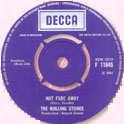
I Do, as well as Not Fade Away.
| Bill Wyman,
Keith Richards & Andrew Oldham: Recording the first album
Bill: On the first album, we cut everything in mono. The band had to record more or less live in the studio so what was on our record was more or less our act, what we played on the ballroom and club circuits. It was really just the show you did onstage recorded in one take - as it SHOULD be. Keith: Many of the English punk records sound like our early records and that is very hard to achieve nowadays with sophisticated technology, 24-track studios. We did our early records on a 2-track Revox in a room insulated with egg cartons at Regent Sound. It was like a little demo in Tin Pan Alley, as it used to be called. Denmark Street in Soho. It was all done on a 2-track Revox that he had on the wall. We used to think, Oh, this is a recording studio, huh? This is what they're like? A tiny little backroom. Under those primitive conditions it was easy to make the kind of sound we got on our first album and the early singles, but hard to make a much better one. Oldham: Although Not Fade Away was a Buddy Holly song, I considered it to be like the first song Mick and Keith wrote, in that they picked the concept of applying that Bo Diddley thing to it. The way they arranged it was the beginning of the shaping of them as songwriters. From then on they wrote... What basically made the record was that whole Bo Diddley acoustic guitar thrust. You heard the whole record in one room. |
January 24, 1964: The Rolling
Stones record for a BBC radio program, Go Man Go!. The Rolling Stones,
in part or
whole, also take part in recordings of Jagger/Richards demos for Andrew
Oldham at
Regent Sound
Studios in London, including I'd Much Rather Be with the Boys, Each
and Every Day
of the
Year and Sleepy City (all eventually released on Metamorphosis).
January 29-30, 1964: The Rolling
Stones perform/lip-synch You Better Move On on the British TV
programs Top
of the Pops and Town and Around.
January 31-February 5, 1964: The
Rolling Stones perform concerts in Preston (Lancashire), London
and their
first in Willenhall (Staffordshire).
February 1, 1964: The Rolling
Stones headline a prestigious concert, the Valentine Charity Pop Show,
at the Royal
Albert Hall in London.
February 3, 1964: The Rolling
Stones record an appearance on BBC radio's Saturday Club.
February 4, 1964: The Rolling
Stones continue recording their first LP at Regent Sound Studios,
including
Can
I Get a Witness and Little By Little, as well as the infamous
and unreleased Andrew's
Blues
and And Mr. Spector and Mr. Pitney Came Too.
| Andrew
Oldham & Bill Wyman: The first album
Oldham: We did the first album in about 10 days. We'd decide to do a tune, but Mick wouldn't know the words, so Mick would run around to Denmark Street to Carlin Music to pick up the words to something like Can I Get a Witness? He'd come back 25 minutes later and we'd start. Bill: Andrew was always pushing us to get us to do Motown things like Can I Get a Witness? And he was right as well; he was more right than we were. And, of course, when Mick and Keith got into writing, the songs came out more like he was looking for. Keith was always more into soul music than me or Charlie, and Mick loved soul performers like Wilson Pickett and James Brown. |
February 6, 1964: The Rolling
Stones record a TV jingle for Rice Krispies cereal.
February 7, 1964: The Rolling
Stones perform on the British TV show The Arthur Haynes Show.
February 8-March 7, 1964: The
Rolling Stones undertake another package tour of British theatres,
with John
Leyton, Mike Sarne and other artists, entitled All Stars '64. The
tour passes through
southern England
(London, Guildford, Kingston-upon-Thames, Watford, Rochester, Bournemouth),
central England
(Leicester, Cheltenham, Rugby, Hanley, Birmingham, Southend, Romford,
Nottingham,
Wolverhampton), northern England (Sheffield, Liverpool, Bradford, Morecambe)
and
Wales (Cardiff).
The group also performs for the first time in Portsmouth, Greenford and
Brighton
(southern
England); Rugby and Colchester (central England); Stockton-on-Tees, Sunderland,
York,
Blackpool
and Blackburn (northern England).
| Mick Jagger
(February-March 1964): Touring
I hate it. I don't like touring at the best of times, but as tours go this one has been quite good. The audiences are good... I'll be glad when it's all over, this tour. I don't like the provinces. You can't eat and you can't get clean shirts. |
February 9, 1964: Outside of the
tour, the Rolling Stones perform at Club Noreik in London.
February 13, 1964: At Regent Sound
Studios, the Rolling Stones record demos of Jagger/Richards
compositions
for Andrew Oldham, Try a Little Harder and Some Things Just Stick
in Your Mind, that
will end up
on 1975's Metamorphosis album.
February 14, 1964: The Rolling
Stones perform Not Fade Away on British TV's Ready, Steady, Go!.
February 18, 1964: The Rolling
Stones record for the UK radio show Pop Inn.
February
21, 1964: The Rolling Stones' third single, Not Fade Away, is released
in the UK. (Released March 6 in the U.S.)
February 22-23, 1964: The Rolling
Stones perform their new single on UK TV's Top of the Pops and
Thank Your
Lucky Stars.
February 24-25, 1964: The Rolling
Stones finish recording their first album at Regent Sound Studios,
including
Tell
Me and I Just Want to Make Love to You, and also record the
song Good Times, Bad
Times.
| Mick Jagger:
"Tell Me"
(On Tell Me) Keith was playing 12-string and singing harmonies into the same microphone as the 12-string. We recorded it in this tiny studio in the West End of London called Regent Sound, which was a demo studio. I think the whole of that album was recorded in there. But it's very different from doing those R&B covers or Marvin Gaye covers and all that. There's a definite feel about it. It's a very POP song, as opposed to all the blues covers and the Motown covers, which everyone did at the time. |
| Linda Lawrence:
Brian's writing
(A) beam of light... flashed across his face when he wrote something he liked. (Writing for Brian) was like talking to somebody. He was always writing poems and words for songs on little pieces of paper. Obviously, I loved them. They were romantic, sort of spiritual, like Donovan's... about his feelings. I would encourage him to do his own things but he would say, They're not finished. That was his excuse all the time. |
March 4, 1964: From Manchester,
the Rolling Stones appear on British TV's Top of the Pops and Scene
at 6:30.
March 8, 1964: The Rolling Stones
record for BBC radio's Saturday Club.
March 9-14, 1964: During this time, Charlie Watts and Shirley Shepherd
vacation in Gibraltar, Brian Jones in
Scotland, and Mick Jagger and Chrissie Shrimpton in Paris.
March 15-31, 1964: The Rolling
Stones perform at 14 venues across England, with first time
appearances
in Chatham, Tunbridge Wells, East Grinstead and Ramsgate in the south,
Ryde on
the Isle of
Wight, and Kidderminster and Bletchley in the center. They also perform
again in
Birmingham
and in the southern cities Salisbury, Southampton, Windsor, London, Guildford
and
Reading.
March 15, 1964: After their concert in Chatham, the group talks with then
session guitarist Jimmy Page backstage.
March 18-19, 1964: In London,
the Rolling Stones record for a Radio Luxembourg program and for
BBC radio's
Blues
in Rhythm show.
March 27, 1964: Mick Jagger meets Marianne Faithfull for the first time,
at a party for Andrew Oldham protégée
Adrienne Posta, whose new single is a Jagger/Richards composition. The
other Rolling Stones, John Dunbar,
Paul McCartney, Peter & Gordon, and Millie Small also attend.
March 29, 1964: Brian Jones performs with the Yardbirds at the Crawdaddy
Club in London.
April 1-6, 1964: The Rolling Stones
perform ballroom and theatre shows in central England
(Stevenage
for the first time, Ipswich, Lowestoft) and southern England (London, Folkestone
for
the first
time).
April 1964: Brian Jones moves out of Linda Lawrence's parents' house and
into an apartment in Belgravia,
London.
April 8, 1964: The Rolling Stones
perform at the televised Ready Steady Go! Mod Ball at the
Empire Pool
in Wembley, London.
April 9-18, 1964: The Rolling
Stones perform concerts in Swindon, London, Hastings and Croydon in
southern England,
Coventry, and for the first time in Rochdale (northern England) and Chester
(central England).
April 10-13, 1964: The Rolling
Stones record for the BBC radio programs The Joe Loss Pop Show and
Saturday
Club.
April
17, 1964: The Rolling Stones' first album, The
Rolling Stones, is released in the UK.
April 18, 1964: Mick Jagger is charged for driving a car without insurance
or licence.
April 20, 1964: The Rolling Stones
record for British TV's Ready, Steady, Go! from Montreux,
Switzerland,
their first collective trip to the European continent.
April 22-25, 1964: The Rolling
Stones perform in Slough (Berkshire), Luton (Bedfordshire) and for
the first
time in Norwich (Norfolk).
April 26, 1964: The Rolling Stones
perform at the New Musical Express' Poll Winners Concert at the
Empire Pool
in Wembley, London, along with the Beatles and other British artists.
April 27, 1964: The Rolling Stones
perform at the Royal Albert Hall in London for a televised British
special.
April 28-May 11, 1964: The Rolling
Stones perform concerts across England, for the first time in
Wallington
and Hove in the south; in Birkenhead in the center; and Nelson and Bridlington
in the
north. They
also perform again in Southsea, London, Bournemouth, Bristol and Manchester.
April 29-May 9, 1964: The Rolling
Stones perform on four British TV programs, Top of the Pops, Scene
at 6.30,
Two
Go Round and Open House.
May 1964: Keith Richards starts his relationship with model Linda Keith.
May 1964: Ron Wood starts performing with his group The Birds.
| Ron Wood:
The Birds
I was the lead guitarist - I had that title. That was the time when people thought there were special guitars for rhythm and lead. |
May 12, 1964: The Rolling Stones
record the songs Congratulations and Don't Lie to Me at Regent
Sound Studios
in London.
| Brian Jones
(May 1964): Making it
Now we're going to America next month and I think I've finally proved to those people who said I was always doing the wrong thing that I've been right all along. I've got somewhere by doing things my own way. It's been fun and we've had some laughs. |
May 13-17, 1964: The Rolling Stones
perform in northern England (Newcastle, Bradford), central
England (Stoke-on-Trent)
and southern England (London, Folkestone).
May 18-21, 1964: The Rolling Stones
perform their first mini-tour of Scotland, playing for the first
time in Hamilton,
Aberdeen, Dundee and Edinburgh.
May 23-30, 1964: The Rolling Stones
perform theatre concerts in central England (Leicester,
Coventry,
Birmingham, Slough, Cannock and Stockport both for the first time), London
and
Sheffield.
May 24-25, 1964: The Rolling Stones
perform for British TV's Thank Your Lucky Stars and for the BBC
radio program
Saturday
Club.
May
29, 1964: The Rolling Stones' first U.S. album, The
Rolling Stones - England's Newest Hit Makers, is released.
May 31, 1964: The Rolling Stones
perform for a Pop Hit Parade at Wembley's Empire Pool.
June 1, 1964: The Rolling Stones
arrive in New York City for the first ever American tour, and hole a
press conference
at Kennedy Airport.
| Keith Richards:
America and soul music
Nobody realises how America blew our minds and the Beatles' too. Can't even describe what America meant to us. We first started to listen to Otis Redding when we got to the States, and picked up our first Stax singles. And Wilson Pickett. |
June 2-3, 1964: The Rolling Stones
appear on American TV's Les Crane Show and Hollywood Palace
Show,
the latter from Los Angeles.
June 4, 1964: The Rolling Stones
visit RCA Recording Studios in Los Angeles and meet arranger Jack
Nitzsche.
| Jack Nitzsche:
Meeting the Stones
The first time I met (the Stones) was when they walked into RCA Studios, and the session just stopped because no one had ever seen anyone who looked like that... |
June 5-7, 1964: The Rolling Stones
perform their first concerts in the United
States at auditoriums
in San Bernardino,
California, and San Antonio, Texas. In San Antonio, the Stones meet saxophonist
Bobby Keys.
| Keith Richards:
The first American gig
Actually (our first ever American) gig was in San Bernardino. It was a straight gas, man. They all knew the songs and they were all bopping. It was like being back home. Ah, love these Americans and Route 66 mentioned San Bernardino, so everybody was into it... |
| Keith Richards
(1971): San Antonio
(T)he reason I remember San Antone so much is waking up and this is, I mean, a young English cat never been face to face with the realities of American life... I put on the TV the first morning: 15 killed last night in a brawl down on the river Brazos or whatever it is. I thought, God, they're riotin' down here, what's going on? Is it a race riot, old chap? Did you hear that?... Turn on the TV next morning, 18 people killed last night and it slowly began to sink in, right, every night around 15 or 20 people get it done to them in San Antone, either Mexicans or spades or kids that go out... I mean, that's amazing. Why doesn't someone do something about that? That's what I used to think then. You know, that doesn't happen in my home town. It happens, one could find it, you could find it in any town, you could find it in my town, sure. But it wasn't that 18 PEOPLE were dead the next morning, you know, and one could certainly get one's self chipped about quite easily. |
June 10-11, 1964: The Rolling
Stones record in the U.S. for the first time, at famed Chess Studios in
Chicago. They
record their next single It's All Over Now, as well as material
for their next EP and
songs such
as Down the Road Apiece, Time Is on My Side and Look What
You've Done. The Stones
also meet
Muddy Waters, Chuck Berry, Willie Dixon and Buddy Guy.
| Keith Richards,
Bill Wyman & Mick Jagger: Chess Studios
Keith: Before we went to America it was very difficult to record in England. Nobody could record or had recorded the sound we were trying to get. People weren't used to that kind of roughness. Everyone in England at the time was incapable: engineers, equipment, producers and, to a certain extent, musicians. No one could get a really good funky American sound which is what WE were after. The best move we could possibly do was get to America as quickly as possible and record there. Bill: The methods of recording in England and America were completely different. The only people you could use over here were Bill Fowley at Regent Sound and Glyn Johns, if you could get hold of him. The big trouble with recording in England was that for a rock group the studio acoustics were so bad because you couldn't play loud. When we recorded at the Chess Studios in Chicago, we had Ron (Malo), the guy who engineered all the Chuck Berry, Bo Diddley and Howlin' Wolf records. He knew exactly what we wanted and he got it almost instantly. Mick: Murray the K gave us It's All Over Now, which was great because we used to think he was a cunt but he turned us on to something good. It was a great record by the Valentinos but it wasn't a hit. Bill: (At Chess Studios in Chicago), Willie Dixon walked in to see us and talked about the scene. So did Buddy Guy. We felt were were like taking part in a little bit of history - after all, those studios were used by Muddy Waters as well as Chuck Berry and Bo Diddley. We knew pretty well what numbers we wanted to get in the can... like It's All Over Now... and the atmosphere was so marvelous that we got through them in double quick time. Then, on the next day, both Chuck and Muddy came in to see us. Fantastic. Keith: I have several memories of Muddy Waters. The weirdest one is when we first went into Chess Studios in '64, the first time we came here... There's Phil Chess and there's Ron Malo, the engineer, and this guy in white overalls painting the ceiling. As we walked by into the studio, somebody said, Oh, by the way, this is Muddy Waters, and he's painting the ceiling. He wasn't selling records at the time, and this is the way he got treated... I'm dying, right? I get to meet The Man - he's my fucking god, right - and he's painting the ceiling! And I'm gonna work in his studios. Ouch! Oh, this is the record business, right?... And bless him. |
June 11, 1964: The Rolling Stones
hold a press conference on Michigan Avenue in Chicago.
| Mick Jagger
(June 1964)
We have changed a bit since we got famous. I mean, how would you like to sing the same seven numbers every night? I may not be much of a singer but there is no artistry in that. Still, we do have fun as well. |
June 12-20, 1964: The Rolling
Stones complete their first U.S. tour with concerts in Minneapolis,
Omaha (Nebraska),
Detroit, Pittsburgh, Harrisburg (West Virginia) and New York at Carnegie
Hall.
| Keith Richards:
Omaha and Carnegie Hall
We really felt like a sore pimple in Omaha. On top of that, the first time we arrived there, the only people to meet us off the plane were 12 motorcycle cops who insisted on doing this motorcade thing right through town. And nobody in Omaha had ever heard of us. We thought, Wow, we've made it. We must be heavy. And we get to the auditorium and there's 600 people there in a 15 000-seat hall. But we had a good time. That's what stopped us from turning into popstars then... Then we really had to work America and it really got the band together... Some towns you went into on that first tour they'd look at you with a look that could kill. You could just tell they wanted to beat the shit out of you. (Carnegie Hall) was just screaming with kids. We'd almost forgotten what it was like, 'cause we were used to that every night, every time we played (in England), and suddenly (on our first American tour) we were brought down, bang, everybody saying, What a fuckup, we've blown it. America was still very much into Frankie Avalon. There wasn't any thought of long-haired kids, we were just entertainment-business freaks, with long hair, just like a circus show. And we get to New York and suddenly we realize that maybe we... that it's just starting. |
June 17-20, 1964: The Rolling
Stones perform for U.S. TV's Clark Race Show and Clay Cole Saturday
Show.
June 19, 1964: Marianne Faithfull's As Tears Go By, composed by
Jagger/Richards/Oldham, is released in England.
June 22, 1964: Back in England,
the Rolling Stones perform a concert at Oxford University.
Late June 1964: Mick Jagger and Keith Richards move into another apartment
in Hampstead, London.
June
26, 1964: The Rolling Stones' single It's All Over Now is released
in the UK.
June 26, 1964: The Rolling Stones
perform at the All Night Rave at Alexandra Palace in London.
June 26-27, 1964: The Rolling
Stones appear on British TV's Ready, Steady, Go!, Juke Box Jury
and
Top of
the Pops.
June 28-July 10, 1964: The group enjoys rest from work. Mick Jagger and
Chrissie Shrimpton, Charlie Watts and
Shirley Shepherd spend time on the island of Ibiza off the east coast of
Spain. Charlie Watts also moves from
his parents' house into an apartment in Gloucester Place, London.
July 1964: Marianne Faithfull's single As Tears Go By, composed
Jagger/Richards/Oldham, is released.
July 7, 1964: Keith Richards, Brian Jones and Bill Wyman crash the Beatles'
party at the Dorchester Hotel in
London for the premiere of A Hard Day's Night.
July 11-12, 1964: The Rolling
Stones perform in Bridlington and Leeds in Yorkshire.
July 11-17, 1964: The Rolling
Stones record appearances on British TV's Day By Day and Top
of the
Pops,
and BBC radio's The Joe Loss Pop Show and Top Gear.
July 18-19, 1964: The Rolling
Stones perform concerts in London and Brighton.
July 20, 1964: Keith Richards, Charlie Watts and Bill Wyman attend a televised
Ray Charles special in Croydon.
July 21-23, 1964: Mick Jagger participates in Andrew Oldham Orchestra recordings
at Regent Sound Studios in
London, recording the first version of Heart of Stone with Jimmy
Page and other musicians.
July 23, 1964: The Rolling Stones
perform again on British TV's Ready, Steady, Go!.
July 23, 1964: Linda Lawrence gives birth to her son with Brian Jones,
Julian.
July 24, 1964: The Rolling Stones
perform at the Empress Ballroom in Blackpool, Lancashire, where
they witness
one of their worst riots.
| Keith Richards:
Blackpool
We'd walk into some of those places (we were playing) and it was like they had the Battle of Crimea going on, people gasping, tits hanging out, chicks choking, nurses running round with ambulances. I know it was the same for the Beatles. One had been reading about that: Beatlemania... You know that weird sound that thousands of chicks make when they're really letting it go. They couldn't hear the music. We couldn't hear ourselves for years... There was one ballroom number in Blackpool during Scots week when all the Scots came down and get really drunk and let it rip, a whole gang of em came to this ballroom and they didn't like us and they punched their way to the front, right though the whole 7000 people, straight to the stage and started spitting at us. In those days, I had a temper, and You spit on me? And I kicked his face in. |
July 25-26, 1964: The Rolling
Stones perform at Nelson (Lancashire) and Leicester.
July 28, 1964: The Rolling Stones
tape a special summer edition of UK TV's Thank Your Lucky Stars.
July 31, 1964: The Rolling Stones
perform their first ever concerts in Northern
Ireland, in Belfast
and Ballymena.
August 1-2, 1964: Back in England,
the Rolling Stones perform shows in Hastings (Sussex) and at an
open air festival
at Warminster in Wiltshire for the first time, at the Marquis of Bath's
Longleat
House.
August 5-7, 1964: From London,
the Rolling Stones tape an appearance for American TV's Red Skelton
Hour,
and perform for British TV's Top of the Pops and Ready, Steady,
Go!.
August 7, 1964: The Rolling Stones
perform at the 4th annual National Jazz and Blues Festival in
Richmond,
Surrey.
August 8, 1964: The Rolling Stones
perform their first concert in the Netherlands,
and their first
on the European
continent, at the Kurhaus in Scheveningen near The Hague. A tremendous
riot
ends the show
after 2 songs.
| Bill Wyman:
The Kurhaus riot
The same thing (that happened in Blackpool) happened in this beautiful old opera house in the Hague. They just ripped the place to pieces. We were on stage for 7 minutes. One number at full volume, and two with no electricity. All the power got switched off by the cops. We tried to carry on with maracas and tambourines but we just had to give up. The police made us leave and then the audience destroyed the place, pulled the tapestries off the walls, ripped the fitted chairs out and threw them into the chandeliers. It was really awful. |
August 9-14, 1964: Back in England,
the Rolling Stones perform in Manchester, London and for the
first time
in New Brighton (Chester) and Douglas on the Isle of Man.
August
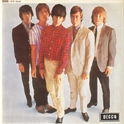
14, 1964: The Rolling Stones' second UK EP Five By Five is released.
August 18-30, 1964: The Rolling
Stones perform theatre concerts every day across the south of
England. The
group performs its first concerts on the Channel Isles (Guernsey and St.
Helier) and
across southwest
England (Weymouth, Weston-super-Mare, Exeter, Plymouth, Torquay). They
also play
again in Bournemouth and Taunton.
August 31-September 4, 1964: At
Regent Sound Studios in London, Mick Jagger and Keith Richards
record some
of their self-penned songs with the Andrew Oldham Orchestra. The Rolling
Stones also
record their
own numbers, including Under the Boardwalk, Off the Hook
and Little Red Rooster.
September 2, 1964: The Rolling
Stones appear on British TV'S Top of the Pops.
September 5-October 11, 1964:
The Rolling Stones headline a 32-date theatre tour of Great-Britain.
The group
performs in London, Guildford, Exeter, Southampton and Brighton in the
south; Leicester,
Colchester,
Luton, Cheltenham, Chester, Lincoln, Hanley, Birmingham, Romford, Bristol,
Wolverhampton,
Watford, Ipswich and Southend in central England; Cardiff in Wales; Liverpool,
Manchester,
Wigan, Carlisle (for the first time), Newcastle, Stockton-on-Tees, Kingston-upon-Hull,
Doncaster
and Bradford in the north; and Edinburgh in Scotland.
September 15, 1964: From Manchester,
the Rolling Stones appear on British TV's Scene at 6.30.
September
26, 1964: The Rolling Stones' U.S. single Time Is on My Side is
released.
September 28-29, 1964: The Rolling
Stones record more songs at Regent Sound Studios in London,
including
Grown
Up Wrong, Susie Q. and Surprise, Surprise.
October 1964: Dawn Molloy gives birth to Brian Jones' fifth illegitimate
child.
October 8, 1964: The Rolling Stones
record for the BBC radio program Rhythm and Blues.
October 14, 1964: Charlie Watts secretly marries Shirley Shepherd at Bradford
in Yorkshire.
October 16, 1964: Mick Jagger is interviewed on Ready, Steady, Go!.
October
24, 1964: The Rolling Stones' second U.S. album, 12
X 5, is released.
October 18-20, 1964: The Rolling
Stones perform their first concerts in Belgium
and France, at
the Amerikaans
Theatre in Brussels (taped for Belgian TV) and at L'Olympia in Paris.
October 23, 1964: The Rolling
Stones arrive in New York for their second American tour and hold a
press conference
at Kennedy Airport.
October 24, 1964: The Rolling
Stones appear on U.S. TV's Clay Cole Show and perform at New York
City's Academy
of Music.
October 25, 1964: The Rolling
Stones make their first appearance on U.S. TV's The Ed Sullivan Show.
October 26-November 1, 1964: The
Rolling Stones tour California, performing again in San Bernardino,
and for the
first time in Sacramento, Santa Monica, Long Beach and San Diego. Their
performance
in Santa Monica
with other artists (James Brown, The Beach Boys, The Supremes, Chuck Berry
and
Marvin Gaye
among others) is filmed for the movie The TAMI Awards Show.
November 2, 1964: The Rolling
Stones record for the first time at RCA Studios in Hollywood, Los
Angeles, for
their next album(s). They record Pain in My Heart, Everybody
Needs Somebody to
Love,
Down
Home Girl and Heart of Stone among others.
| Keith Richards:
Buying soul singles in America
Back in the [old] days, when we were recording in Chicago and Los Angeles, we used to go down to the local record stores, buy up a whole bunch of soul singles, sit down by the record player and learn 'em. Things like Oh Baby (We Got a Good Thing Goin') and Otis Redding stuff and then we'd do 'em as quickly as possible. |
| Jack Nitzsche:
Working with the Stones
There was no guidance at all on those early records. And very little need for it. What the fuck, this was the first time a band got together and just played. They changed my whole idea of recording. Before I'd just been doing sessions, 3 hours to get the tunes down. Working with the Stones made sense right away. Booked studio time for 24 hours a day for two weeks and if you didn't get it, fuck it. The great new thing about them was they'd record a song the way they had written it. And if it didn't work nobody thought twice about making it a tango. They tried every way possible. |
November 3-4, 1964: The Rolling
Stones perform for the first time in Cleveland, Ohio and Providence,
Rhode Island.
November 8, 1964: The Rolling
Stones are back in Chess Records in Chicago, recording What a Shame
and a second
version of Time Is on My Side among others.
November 11-15, 1964: The Rolling
Stones end their second American tour with concerts for the first
time in Milwaukee
(Wisconsin), Fort Wayne (Indiana), Dayton (Ohio), Louisville (Kentucky)
and
Chicago. Brian
Jones misses all concerts except the last, because of bronchitis and exhaustion.
| Ian Stewart:
The beginning of the end for Brian Jones
He was certainly ill all right, but he didn't do anything to help himself, he aggravated it by taking too much of something, and generally behaved very stupidly. I tell you what, he nearly got hoofed out there and then. He hadn't really contributed anything on those record dates. He was either stoned or pissed or just sick, and they got fed up with him. |
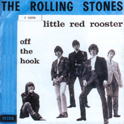
November
13, 1964: The Rolling Stones' U.K. single, Little Red Rooster, is
released.
November 20, 1964: The Rolling
Stones appear on the televised Glad Rag Ball from Wembley's Empire
Pool and appear
on British TV's Ready, Steady, Go!.
November 29, 1964: From Birmingham,
the Rolling Stones tape an appearance on UK TV's Lucky Stars
Special.
December 4, 1964: The Rolling
Stones perform their last concerts of the year at Croydon, Surrey.
December 1964: The group takes most of the month off. Mick Jagger and Brian
Jones holiday briefly in Paris.
Brian Jones and Linda Lawrence split up.
December 15, 1964: In Shepperton,
London, the Rolling Stones shoot promotional films for songs like
Heart of
Stone and Oh Baby.
December
19, 1964: The Rolling Stones' U.S. single, Heart of Stone, is released.
| Keith Richards:
Ballads in America
In America we were basically known for heavy, slowish kind of ballads. Time Is On My Side, Tell Me, Heart of Stone, that was what we were known for. Strangely enough that was our thing. Every single was a slow song. Who would believe it? You'd think they'd be clamoring for out-and-out rock and roll, but no, it was the fuckin' soul ballads that happened for us in America. |
December 21, 1964: Charlie Watts' children book based on Charlie Parker,
Ode
to a High Flying Bird, is published.